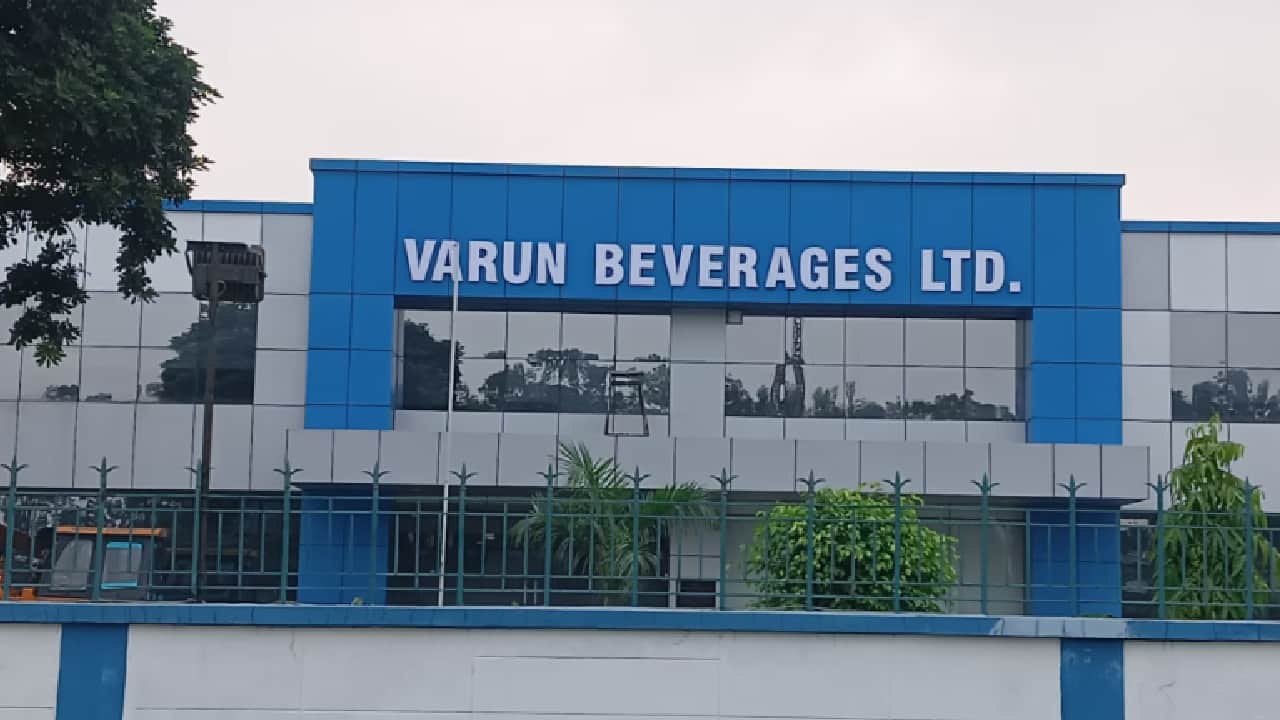
Varun Beverages Expands into African Beverage Market with Carlsberg Partnership, Establishes Kenya Subsidiary
This expansion highlights the increasing attractiveness of African consumer markets for global beverage companies and the strategic diversification of portfolios.


Subscribe to our newsletter and discover often overlooked stories of innovation, culture, development, and social progress in Africa.
Article Summary
Varun Beverages has partnered with Carlsberg for alcoholic beverage distribution in select African markets and established a new wholly-owned subsidiary in Kenya for manufacturing, distribution, and sales. This move diversifies its portfolio beyond soft drinks. The company reported an 18.5% rise in Q3 2025 profit, with international volumes growing 9%, primarily driven by strong performance in South Africa.
Original Article: economictimes.indiatimes.com
[ Sentiment: positive | Tone: factual ]
This summary and analysis were generated by TheNewsPublisher's editorial AI. This content is for informational purposes only.
[ Sentiment: positive | Tone: factual ]
This summary and analysis were generated by TheNewsPublisher's editorial AI. This content is for informational purposes only.
TNP AI: Key Insights
This partnership signifies a growing attractiveness of African consumer markets for international beverage companies, driven by increasing disposable incomes and a young demographic. It indicates a strategic diversification by companies to capture emerging segments like Ready-to-Drink alcoholic beverages.
This investment underscores Africa's role as a viable growth market for consumer goods, challenging narratives that focus solely on challenges. It highlights targeted regional opportunities and the potential for local manufacturing and distribution hubs, such as the new subsidiary in Kenya.
The entry of major international players like Carlsberg and Varun Beverages can introduce new competition, potentially driving innovation and quality improvements in the local beverage sector. It may also create employment opportunities in manufacturing and distribution, while simultaneously posing challenges for smaller local producers.