New China-Africa Trade Hub in Guangzhou Aims to Boost Bilateral Economic Cooperation
The establishment of a new trade hub in China signifies a strategic move to deepen economic ties and facilitate investment between China and African nations.

Article Summary
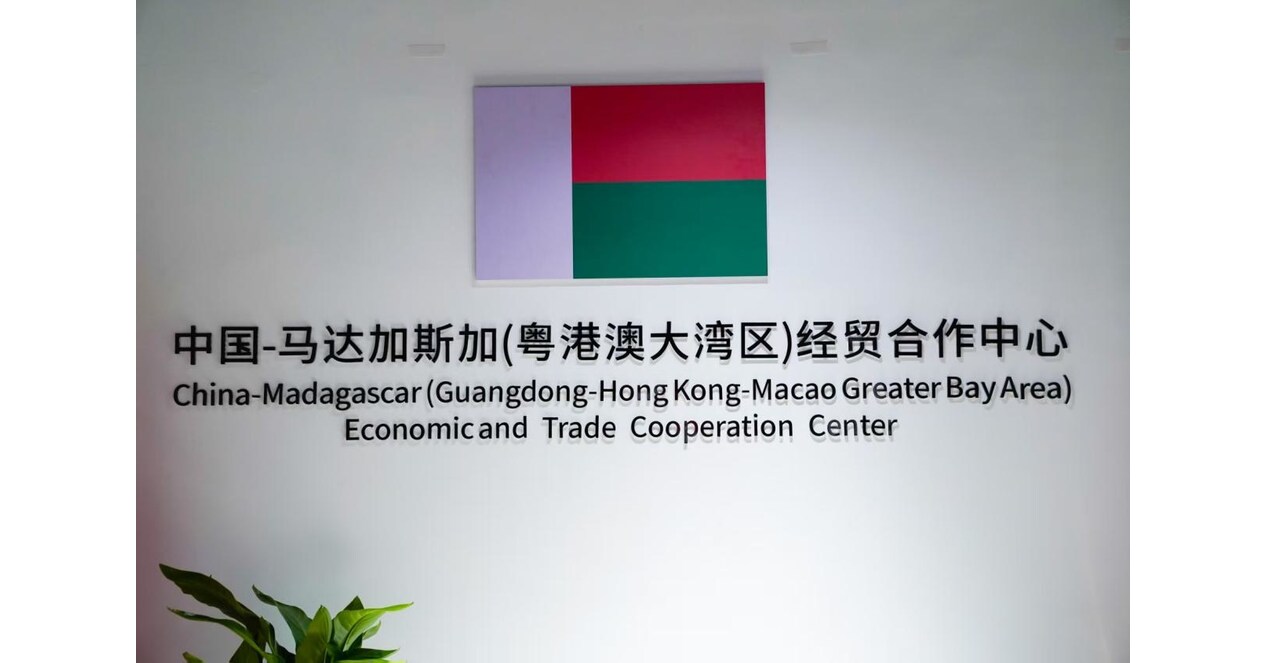
The China-Africa Economic and Trade Greater Bay Area International Business Center officially opened on October 14 in Nansha, Guangzhou. This platform, a joint initiative by the Nansha District Government and the China-Africa Friendly Economic and Trade Development Foundation, offers services like policy consulting, legal support, and supply chain coordination for China-Africa trade. Madagascar's Ambassador to China, Jean Louis Robinson, highlighted Nansha's shipping routes and tax policies as crucial for a 'full-chain system' of trade, with the center aiming to promote joint investments in sectors such as agriculture, mining, new energy, and smart ports.
[ Sentiment: positive | Tone: factual ]
This summary and analysis were generated by TheNewsPublisher's editorial AI. This content is for informational purposes only.
TNP AI: Key Insights
China has been Africa's largest trading partner for over a decade, with trade volumes exceeding $200 billion annually. Trade hubs like this aim to streamline logistics and reduce barriers, potentially helping African nations diversify exports beyond raw materials by connecting them to Chinese processing and markets.
African nations increasingly prioritize agreements that include technology transfer, local content requirements, and industrialization support to move beyond commodity export. While the Nansha hub focuses on trade facilitation, the long-term impact on African economies depends on national policies that foster domestic manufacturing and value chains.
Regional economic communities like ECOWAS or SADC seek to create larger, integrated African markets, which could present a more unified front in international trade negotiations and attract larger-scale investments. Such trade hubs could serve as conduits for products from various African regions, supporting the African Continental Free Trade Area (AfCFTA) objectives for broader economic integration.