Madagascar: President Rajoelina Faces Youth Protests, Military Defections Amid Governance Crisis
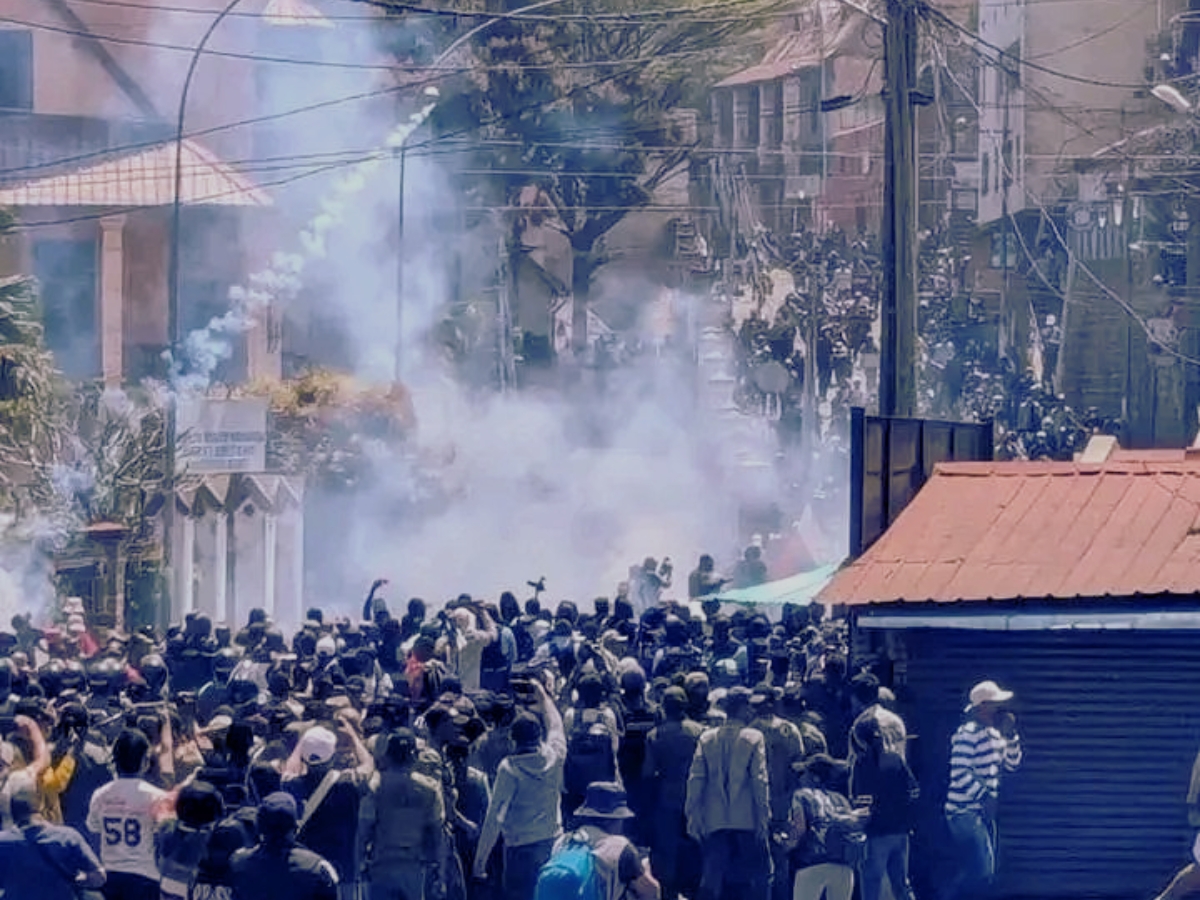
Youth-led protests in Madagascar highlight demands for accountability and improved governance, challenging existing political structures.

Subscribe to our newsletter and discover often overlooked stories of innovation, culture, development, and social progress in Africa.
Article Summary
Madagascar is experiencing youth-led protests, reportedly causing President Andry Rajoelina to flee, though he later stated he was in a "safe space" due to assassination attempts. The demonstrations, which began on September 25, were initially sparked by water and power shortages but expanded to include demands against corruption and poor governance. An elite military unit, CAPSAT, which previously supported Rajoelina, has reportedly defected and joined the demonstrators.
Original Article: newsx.com
[ Sentiment: neutral | Tone: factual ]
This summary and analysis were generated by TheNewsPublisher's editorial AI. This content is for informational purposes only.
[ Sentiment: neutral | Tone: factual ]
This summary and analysis were generated by TheNewsPublisher's editorial AI. This content is for informational purposes only.
TNP AI: Key Insights
Youth-led movements in Madagascar, mirroring trends seen globally, underscore a growing demand for accountability and improved public services from younger generations across the continent. These movements demonstrate that African youth are active agents in shaping their nations' political landscapes, challenging established power structures and advocating for change.
The military's reported defection, particularly an elite unit that previously supported the president, highlights the complex and often pivotal role security forces play in political stability and transitions in some African nations. This situation reflects historical instances where military alignment or neutrality can significantly influence the outcome of popular uprisings, rather than being a monolithic state tool.
The evolution of protests from specific concerns like water and power shortages to wider demands for an end to corruption and poor governance indicates a deeper societal frustration with systemic issues. This progression highlights that citizens often view failures in basic service provision as symptoms of broader governance deficits, seeking fundamental reforms rather than superficial fixes.


