Madagascar President Flees Amidst Widespread Youth Protests Over Governance
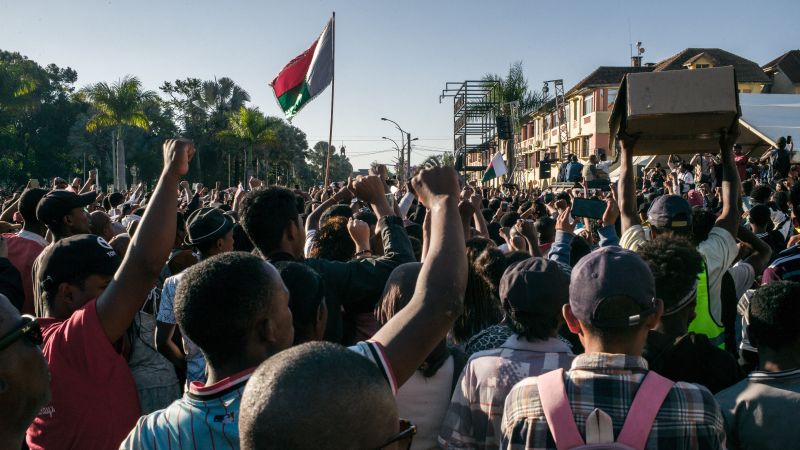
Youth-led protests in Madagascar highlight widespread discontent over governance and economic hardship, leading to the president's departure.

Subscribe to our newsletter and discover often overlooked stories of innovation, culture, development, and social progress in Africa.
Article Summary
Madagascar's President Andry Rajoelina has reportedly fled the country following widespread Gen Z-led protests over water and power shortages, corruption, and poor governance. Opposition leader Siteny Randrianasoloniaiko confirmed Rajoelina's departure, which occurred after army units defected and joined the demonstrators. Rajoelina, who appeared defiant in a Facebook address, stated he moved to a safe location, while France's President Macron emphasized the need to preserve constitutional order.
Original Article: edition.cnn.com
[ Sentiment: negative | Tone: factual ]
This summary and analysis were generated by TheNewsPublisher's editorial AI. This content is for informational purposes only.
[ Sentiment: negative | Tone: factual ]
This summary and analysis were generated by TheNewsPublisher's editorial AI. This content is for informational purposes only.
TNP AI: Key Insights
Youth-led protests across Africa often stem from economic grievances, unemployment, and demands for better governance, similar to Madagascar's situation where high youth unemployment and poverty fuel unrest. This reflects a continent-wide demographic shift where a large youth population increasingly seeks greater accountability from leadership.
Madagascar, a former French colony, still navigates complex post-colonial relationships, as evidenced by the report of the president fleeing on a French military plane and France's immediate diplomatic response. This highlights the enduring influence of former colonial powers on African nations' internal affairs and international relations.
Deep-seated socio-economic issues, including a significant drop in GDP per capita since independence and three-quarters of the population living in poverty, are critical drivers of the protests. These challenges underscore the urgent need for sustainable development strategies that address basic services and economic opportunities for the majority.


