India's Focus Group Radio Celebrates 5 Years of Deep Dive into African Music & Culture
An Indian collective champions authentic African music exploration, fostering global cultural exchange and challenging superficial narratives.

Subscribe to our newsletter and discover often overlooked stories of innovation, culture, development, and social progress in Africa.
Article Summary
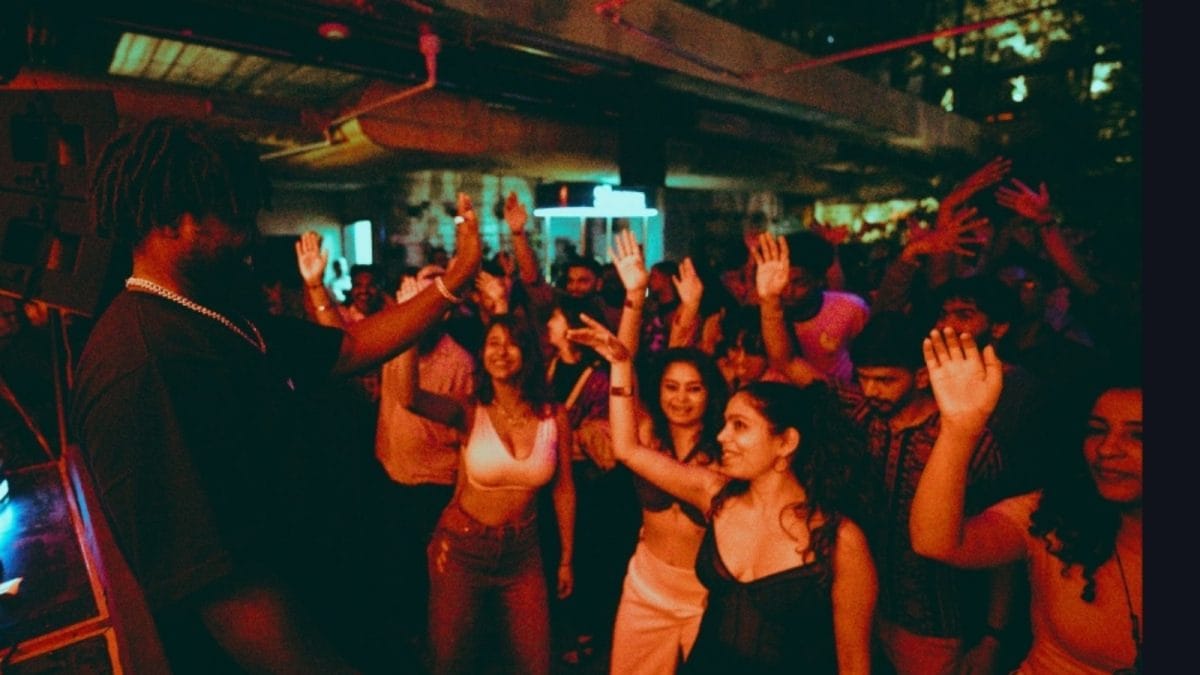
Focus Group Radio (FGR), an Indian music collective, is celebrating its fifth anniversary, with its 'African Music Exploration' (AME) initiative marking three years. FGR, which originated from online listening parties, has grown into a hub for diverse music discovery, touring clubs and festivals across India. AME specifically delves into six decades of African music, from jazz and funk to contemporary club genres like GQOM and Kuduro, collaborating with African and UK-based artists to spotlight underrepresented sounds.
Original Article: news18.com
[ Sentiment: positive | Tone: factual ]
This summary and analysis were generated by TheNewsPublisher's editorial AI. This content is for informational purposes only.
[ Sentiment: positive | Tone: factual ]
This summary and analysis were generated by TheNewsPublisher's editorial AI. This content is for informational purposes only.
TNP AI: Key Insights
Focus Group Radio's African Music Exploration actively counters superficial 'Afro' aesthetics by deeply curating six decades of diverse African genres, from traditional sounds to modern club music. This approach highlights the continent's rich musical complexity and promotes a nuanced understanding of its cultural output internationally.
The initiative demonstrates a growing global appreciation for African cultural exports, fostering cross-cultural dialogue and challenging geographical boundaries in music consumption. By bringing African artists and diverse sounds to Indian audiences, it broadens the reach and recognition of African creative agency.
FGR prioritizes 'spotlighting the artists actually making the music' and inviting African and diaspora artists to perform, rather than merely remixing or sampling. This emphasis on direct engagement and authentic presentation ensures African voices and creators are central to the narrative, reinforcing their agency and ownership of their cultural expressions.