Giant Sargassum Belt: An 8,850km Environmental Challenge From Africa to Mexico
The rapid expansion of the Great Atlantic Sargassum Belt represents a critical environmental and economic challenge requiring urgent global and local intervention, particularly in affected African coastal regions.

Subscribe to our newsletter and discover often overlooked stories of innovation, culture, development, and social progress in Africa.
Article Summary
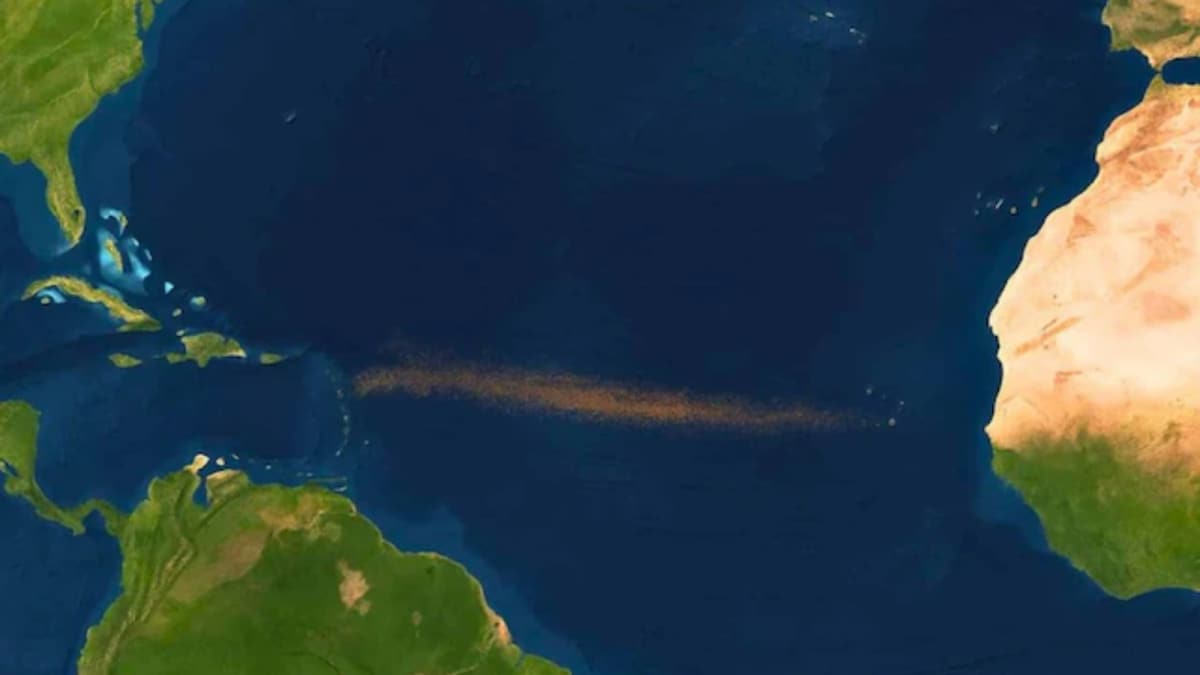
The Great Atlantic Sargassum Belt (GASB), an 8,850 km brown algae mass, has grown significantly over 15 years, fueled by increased nitrogen and phosphorus from agricultural and industrial runoff, and exacerbated by climate change. This colossal algal belt threatens marine ecosystems by blocking sunlight and releasing harmful gases, and it severely impacts coastal economies and human health through tourism disruption, fishing halts, and toxic fumes. Scientists warn of its continued expansion without urgent intervention.
Original Article: news18.com
[ Sentiment: negative | Tone: factual ]
This summary and analysis were generated by TheNewsPublisher's editorial AI. This content is for informational purposes only.
[ Sentiment: negative | Tone: factual ]
This summary and analysis were generated by TheNewsPublisher's editorial AI. This content is for informational purposes only.
TNP AI: Key Insights
How does the Sargassum belt specifically impact African coastal communities and economies, beyond the general overview? The proliferation of Sargassum along West African coasts, particularly countries like Ghana, Togo, and Benin, disrupts artisanal fishing, clogs vital port infrastructure, and damages marine biodiversity. This directly affects livelihoods dependent on the ocean and necessitates significant cleanup efforts, diverting resources from other development initiatives.
What are potential African-led innovations or regional collaborations emerging to address this environmental challenge? African researchers and entrepreneurs are exploring solutions such as converting Sargassum into biofertilizer, biogas, or construction materials, demonstrating local agency in transforming a challenge into an economic opportunity. Regional bodies like ECOWAS are also working on coordinated strategies for monitoring and managing the influx.
How do nutrient runoff issues in Africa, contributing to Sargassum growth, relate to broader development and agricultural practices on the continent? The increased nutrient load from African rivers stems partly from intensified agricultural practices and inadequate wastewater treatment in rapidly developing urban and rural areas. Addressing this requires investment in sustainable agricultural methods, improved sanitation infrastructure, and integrated coastal zone management, reflecting a complex interplay between development goals and environmental stewardship.