Ghana's Kente Fabric Protection: A Global Blueprint for African Cultural IP
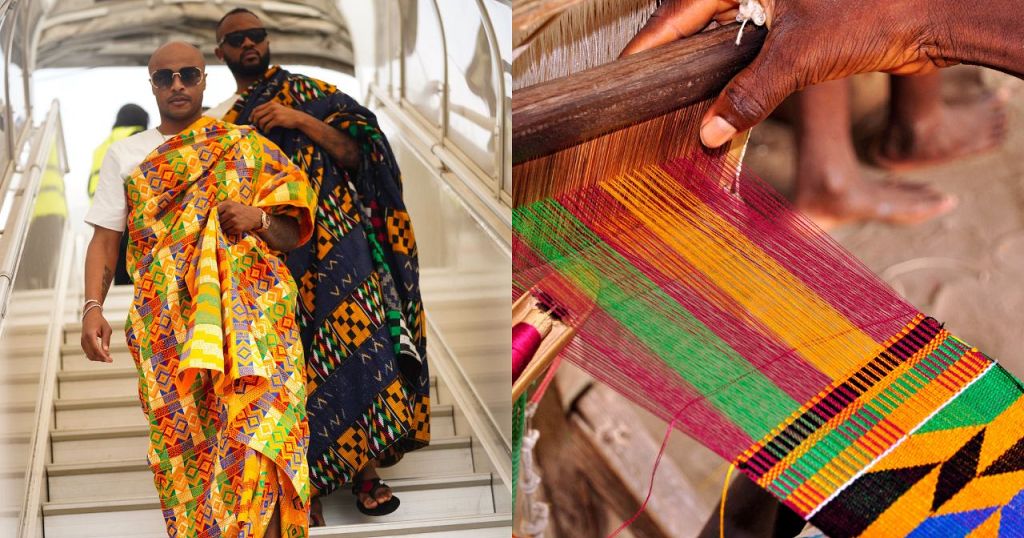
Ghana's move to protect Kente fabric through intellectual property rights challenges the global fashion industry to acknowledge and compensate African cultural heritage.

Subscribe to our newsletter and discover often overlooked stories of innovation, culture, development, and social progress in Africa.
Article Summary
Ghana is implementing stronger intellectual property rights and geographical indication status to protect its centuries-old Kente fabric, recently inscribed onto UNESCO’s Intangible Cultural Heritage list. This initiative aims to ensure international commercial usage acknowledges Kente's cultural origin and potentially provides royalties to local Ghanaian weavers. The move challenges the global fashion industry's historical use of African designs without compensation and could set a precedent for other African nations seeking to protect their traditional crafts.
Original Article: africanews.com
[ Sentiment: positive | Tone: factual ]
This summary and analysis were generated by TheNewsPublisher's editorial AI. This content is for informational purposes only.
[ Sentiment: positive | Tone: factual ]
This summary and analysis were generated by TheNewsPublisher's editorial AI. This content is for informational purposes only.
TNP AI: Key Insights
Ghana's initiative to protect Kente aligns with a growing international movement seeking to decolonize design and ensure fair compensation for traditional knowledge, mirroring protections seen for products like French Champagne or Indian Darjeeling tea under WIPO and WTO frameworks.
Successful enforcement could provide direct royalties and increased recognition for local weavers, establishing a precedent that empowers African communities to benefit economically from their cultural heritage, fostering sustainable growth in the creative sector across the continent.
This action elevates African cultural products from being simply sources of inspiration to legally recognized intellectual property, challenging the historical imbalance where global brands profited without acknowledging or compensating origin communities, thereby reinforcing African agency in the global cultural economy.
International enforcement could be complex due to varying IP laws and the subjective nature of design adaptation, requiring robust legal frameworks and sustained diplomatic efforts to ensure compliance from diverse global fashion entities.