Ethiopia's Irreecha Festival: Celebrating Oromo Culture and Resilience
The Irreecha festival showcases the resilience of Oromo culture and its crucial role in fostering unity and addressing historical challenges in Ethiopia.

Subscribe to our newsletter and discover often overlooked stories of innovation, culture, development, and social progress in Africa.
Article Summary
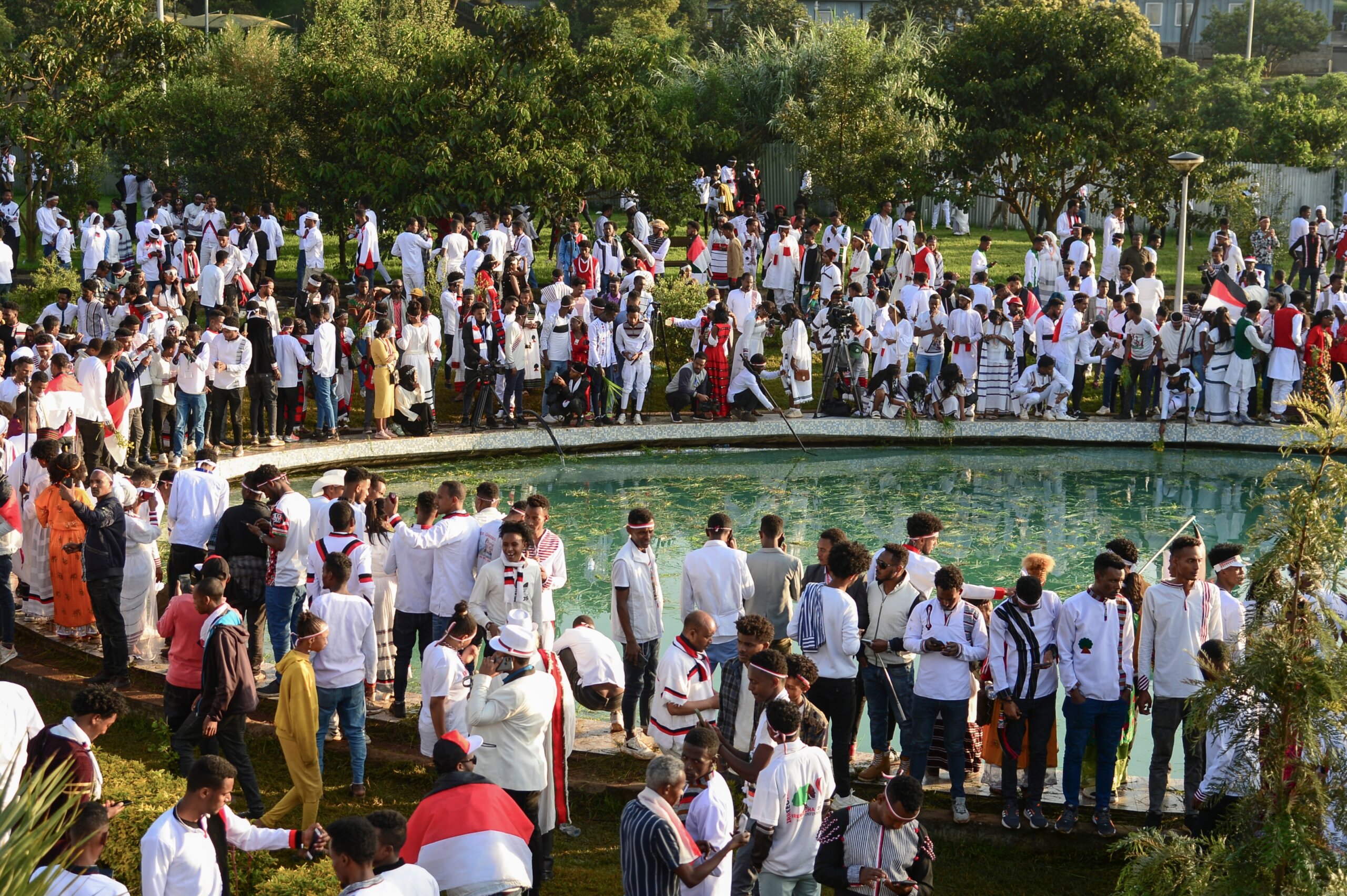
Thousands gathered in Addis Ababa, Ethiopia, for the annual Irreecha thanksgiving festival, celebrated by the Oromo ethnic group. The festival, historically suppressed and revived in the late 1990s, serves as a celebration of peace, unity, and fertility, where attendees express gratitude to Waaqa. While current Prime Minister Abiy Ahmed noted the festival's increased joy alongside the Grand Renaissance Dam inauguration, some Oromo community members express continued dissatisfaction with his administration regarding Oromo causes.
Original Article: wtop.com
[ Sentiment: positive | Tone: factual ]
This summary and analysis were generated by TheNewsPublisher's editorial AI. This content is for informational purposes only.
[ Sentiment: positive | Tone: factual ]
This summary and analysis were generated by TheNewsPublisher's editorial AI. This content is for informational purposes only.
TNP AI: Key Insights
The Irreecha festival is a profound expression of Oromo cultural identity and resilience, symbolizing their historical struggle for self-determination and the revival of traditions that were suppressed for over a century. It serves as a platform for community unity, the promotion of peace, and the transmission of heritage across generations, demonstrating African agency in preserving cultural continuity.
The suppression and subsequent revival of Irreecha reflect historical tensions between central authorities and diverse ethnic groups seeking cultural and political recognition, a dynamic common in many multi-ethnic African states post-independence. The festival's past use for political protest and its current association with Prime Minister Abiy Ahmed highlight the ongoing interplay between cultural expression and political discourse in shaping national identity and governance.
Despite Prime Minister Abiy Ahmed being Oromo, the article reveals that not all Oromo community members feel their demands have been met, illustrating the complexities of ethnic representation and the challenge of satisfying diverse community aspirations within a national leadership. This nuance counters simplistic narratives of ethnic solidarity and underscores the multifaceted nature of political and social progress in Africa.