Ethiopia's Irreecha Festival: A Resilient Celebration of Oromo Culture and Peace
The Irreecha festival exemplifies the resilience of Oromo culture and its ongoing role in fostering community, peace, and identity within Ethiopia.

Subscribe to our newsletter and discover often overlooked stories of innovation, culture, development, and social progress in Africa.
Article Summary
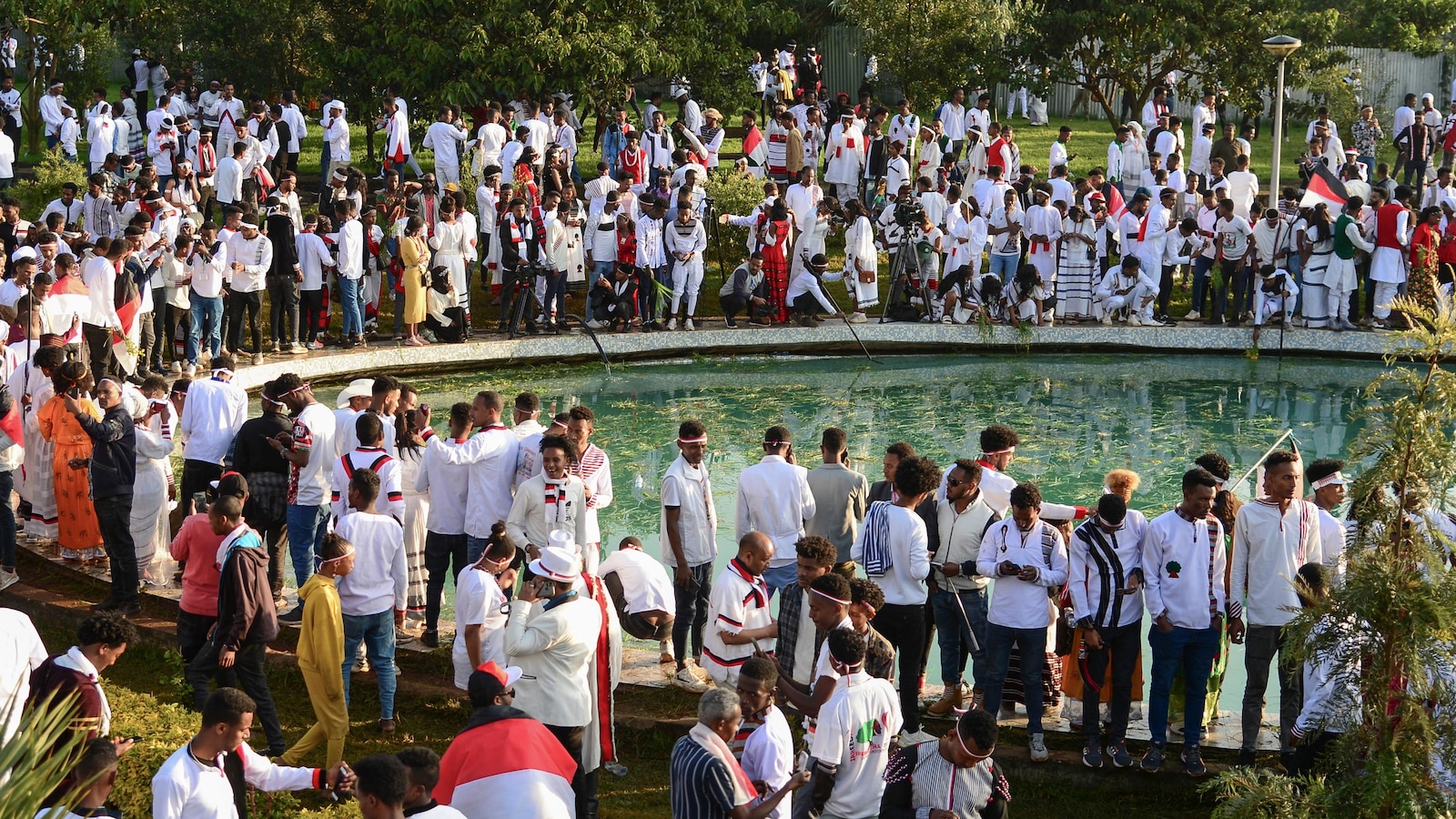
Thousands of Oromo people gathered in Ethiopia's capital, Addis Ababa, for the annual Irreecha thanksgiving festival, honoring Waaqa and promoting peace and unity. Historically suppressed by previous governments, the festival was revived in the late 1990s and is now a vibrant expression of Oromo culture. While attendees celebrated its significance, some Oromo voices expressed concerns that current political leadership has not fully addressed broader demands for justice and freedom.
Original Article: abcnews.go.com
[ Sentiment: positive | Tone: factual ]
This summary and analysis were generated by TheNewsPublisher's editorial AI. This content is for informational purposes only.
[ Sentiment: positive | Tone: factual ]
This summary and analysis were generated by TheNewsPublisher's editorial AI. This content is for informational purposes only.
TNP AI: Key Insights
Cultural festivals like Irreecha are crucial expressions of indigenous identity and agency in contemporary African nations. They serve as platforms for communities to preserve heritage, foster social cohesion, and articulate collective aspirations, often representing a reclaiming of cultural space after periods of historical suppression.
The Oromo experience with Irreecha reflects the complex dynamics of ethnic identity and political agency in Ethiopia. The festival's revival and continued celebration highlight the Oromo people's resilience and their persistent efforts to assert cultural and political identity within Ethiopia's diverse federal structure, underscoring that cultural recognition does not always equate to full political satisfaction.