Cameroon Election: Paul Biya Seeks Extended Term Amidst Governance Concerns
The election highlights the ongoing political dynamics in Cameroon, where citizens' desires for change are set against a backdrop of prolonged leadership and systemic challenges.

Subscribe to our newsletter and discover often overlooked stories of innovation, culture, development, and social progress in Africa.
Article Summary
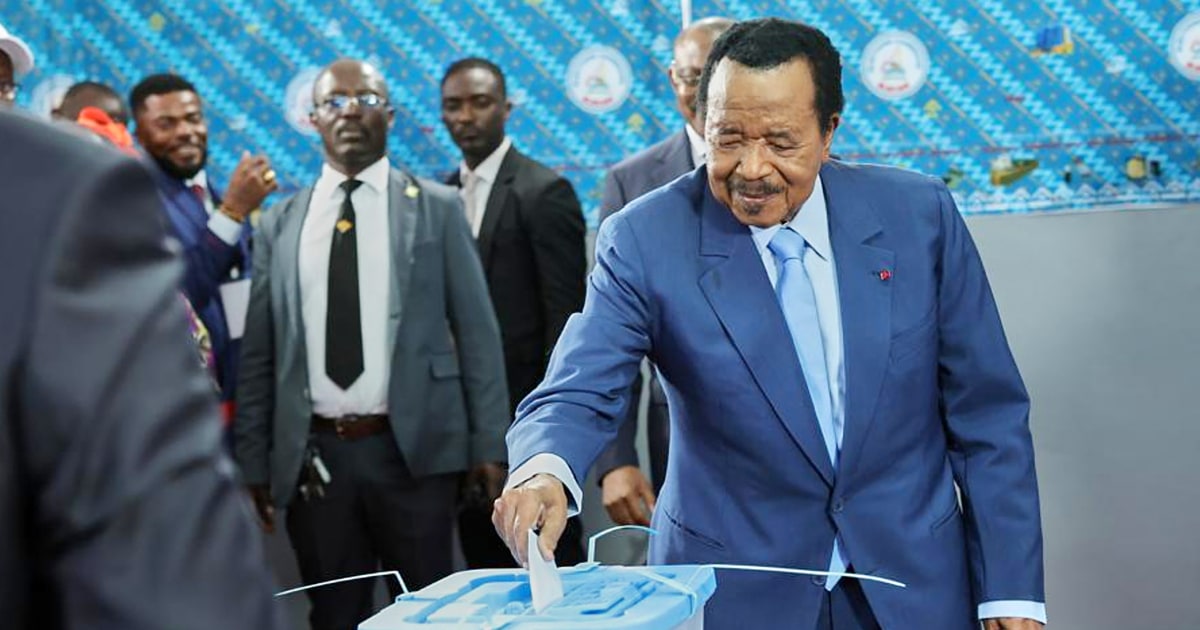
Cameroon held an election where President Paul Biya, 92, seeks to extend his rule by another seven years, having been in power since 1982. Opposition candidates and voters express concerns about his age, the country's economic state, and potential voter fraud. The election occurs amidst escalating security crises in western and northern regions, and high levels of poverty.
Original Article: nbcnews.com
[ Sentiment: neutral | Tone: factual ]
This summary and analysis were generated by TheNewsPublisher's editorial AI. This content is for informational purposes only.
[ Sentiment: neutral | Tone: factual ]
This summary and analysis were generated by TheNewsPublisher's editorial AI. This content is for informational purposes only.
TNP AI: Key Insights
How does Cameroon's political landscape, characterized by a long-serving leader, compare to governance trends in other African nations? While several African countries have seen leaders serve multiple terms, Cameroon's situation with President Biya, in power since 1982, highlights a particular challenge in democratic transitions. This trend often raises questions about institutional strength and the vitality of opposition politics across the continent, while also showcasing individual national trajectories rather than a monolithic African political narrative.
What do the voter concerns regarding the cost of living and infrastructure reveal about broader development priorities in Central Africa? The grievances of Cameroonian voters reflect common development challenges in many Central African nations, where economic stability, access to quality healthcare, and robust infrastructure are critical for improving citizen welfare. These concerns underscore the importance of governance in addressing basic needs and fostering inclusive growth, which are key drivers of social progress beyond electoral cycles.
How do regional security challenges, such as the Anglophone crisis and Boko Haram incursions, influence political discourse and elections in Cameroon? The ongoing security crises in Cameroon's western and northern regions complicate the political landscape, influencing voter priorities and government legitimacy. These challenges often divert resources, impact civilian populations, and shape national dialogue around stability and governance, demonstrating the complex interplay between security, development, and democratic processes in diverse African contexts.


