African Nations Lead Global Dialogue on Integrating Traditional Medicine into Health Systems
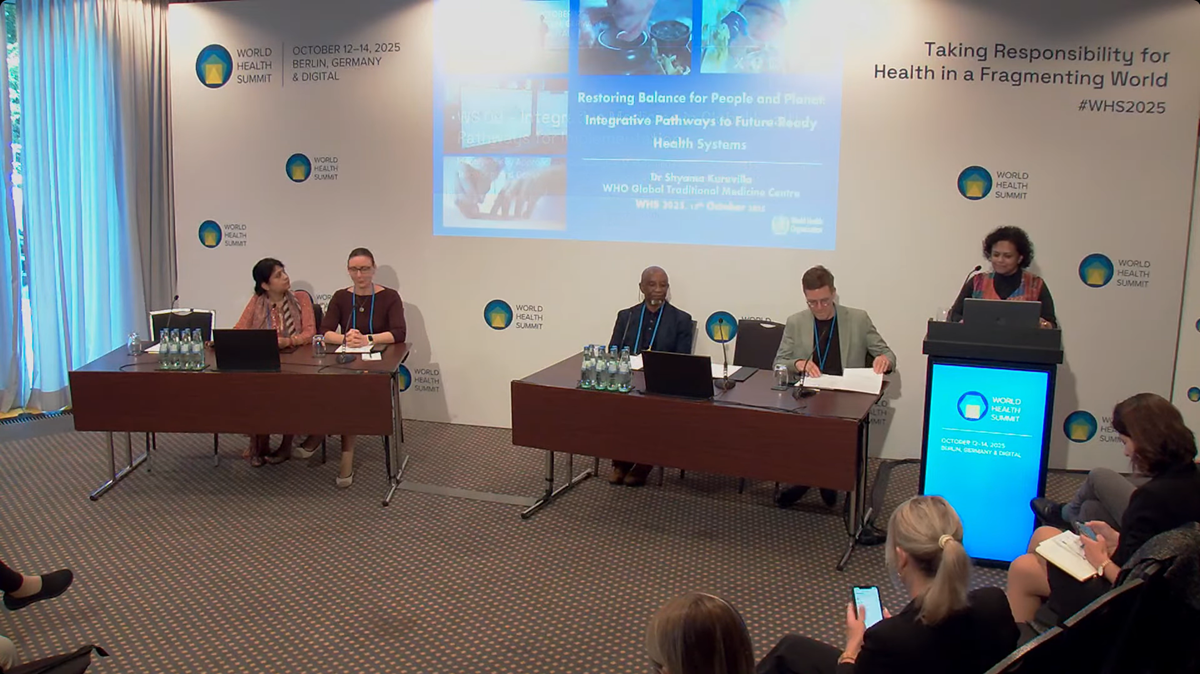
African countries are actively shaping the global discourse on traditional medicine, positioning it as a vital, evidence-informed component of future health systems.

Subscribe to our newsletter and discover often overlooked stories of innovation, culture, development, and social progress in Africa.
Article Summary
The World Health Summit 2025 featured dedicated sessions on traditional medicine, emphasizing its role in inclusive, people-centred health systems. Discussions focused on operationalizing the WHO Traditional Medicine Strategy 2025–2034 and pathways for integrative medicine implementation. Representatives from Tunisia, South Africa, and Egypt shared national advancements and highlighted the importance of global collaboration, evidence-based research, and community engagement in integrating traditional medicine.
Original Article: who.int
[ Sentiment: positive | Tone: factual ]
This summary and analysis were generated by TheNewsPublisher's editorial AI. This content is for informational purposes only.
[ Sentiment: positive | Tone: factual ]
This summary and analysis were generated by TheNewsPublisher's editorial AI. This content is for informational purposes only.
TNP AI: Key Insights
Historically, traditional healing practices have been central to African societies, often marginalized during colonial periods. The current global initiative, featuring African nations as key contributors, signifies a reclamation of indigenous knowledge and a move towards decolonizing health paradigms, recognizing these practices as sophisticated systems rather than merely anecdotal remedies.
While countries like Germany integrate traditional medicine into specific treatments like oncology, African nations often emphasize its broader role in community-based, holistic health systems, leveraging indigenous knowledge and cultural relevance. Tunisia's ambition to become a 'global connector' and South Africa's 'living laboratories' approach highlight African leadership in shaping global strategies, moving beyond being mere recipients of Western medical models.
The discrepancy between Member State prioritization and minimal research funding for traditional medicine represents a critical barrier to its wider, evidence-based integration into national health plans, especially in Africa where these practices are prevalent. Bridging this funding gap is essential for generating the scientific evidence needed to validate and standardize traditional remedies, thereby enhancing health equity and accessibility across the continent.