African Food Systems Innovate Against Drought: Diversifying Crops and Developing Resilient Maize
African innovators and policy shifts are actively reshaping food systems to build resilience against climate change and ensure future food security.

Subscribe to our newsletter and discover often overlooked stories of innovation, culture, development, and social progress in Africa.
Article Summary
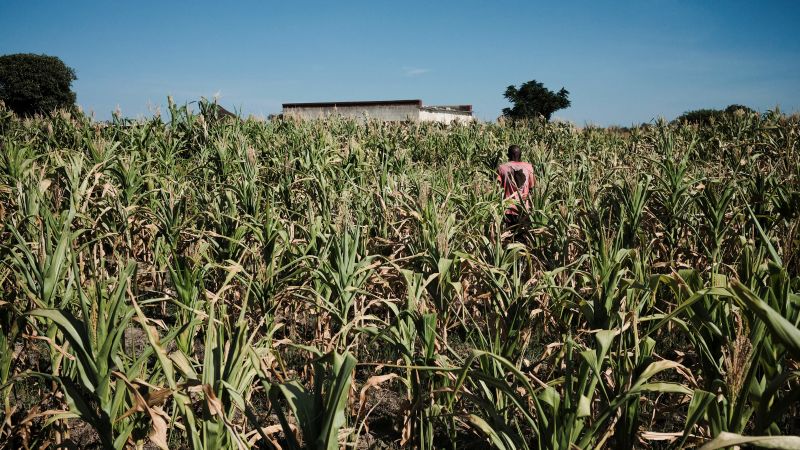
Maize, Africa's most widely grown crop, faces significant vulnerability to climate change-induced droughts, impacting the continent's food security. In response, African startups like Food4Education, alongside NGOs and research institutions such as CGIAR, are implementing strategies including diversifying into indigenous, climate-resilient crops and developing stress-tolerant maize varieties. Furthermore, policy changes, exemplified by the Kenyan government's inclusion of indigenous grains in the National Grain Reserve, support these efforts to future-proof the continent's food system.
Original Article: edition.cnn.com
[ Sentiment: positive | Tone: factual ]
This summary and analysis were generated by TheNewsPublisher's editorial AI. This content is for informational purposes only.
[ Sentiment: positive | Tone: factual ]
This summary and analysis were generated by TheNewsPublisher's editorial AI. This content is for informational purposes only.
TNP AI: Key Insights
Maize's historical dominance in African agriculture, reinforced by colonial policies favoring monoculture, created a vulnerability that climate change is now exposing. Understanding this historical context reveals why diversifying back to indigenous, climate-resilient crops is not merely a modern innovation but a strategic re-engagement with traditional agricultural wisdom.
The broader implication of diversifying Africa's food production extends beyond immediate food security to encompass improved nutrition and economic stability. By reducing reliance on a few staple crops and integrating indigenous grains, African nations can enhance public health outcomes and create more robust, localized supply chains that support smallholder farmers.
African agency is evident in the proactive solutions being implemented across the continent. Initiatives like Food4Education, which influences both local supply chains and national policy, demonstrate how grassroots efforts and entrepreneurial spirit are driving sustainable change, fostering economic growth, and building resilience within communities.