African Botanists Launch Pan-African Network to Safeguard Vital Palm Trees
African botanists are leading a collaborative effort to conserve the continent's culturally and economically vital palm trees through scientific research, traditional knowledge integration, and sustainable management strategies.

Subscribe to our newsletter and discover often overlooked stories of innovation, culture, development, and social progress in Africa.
Article Summary
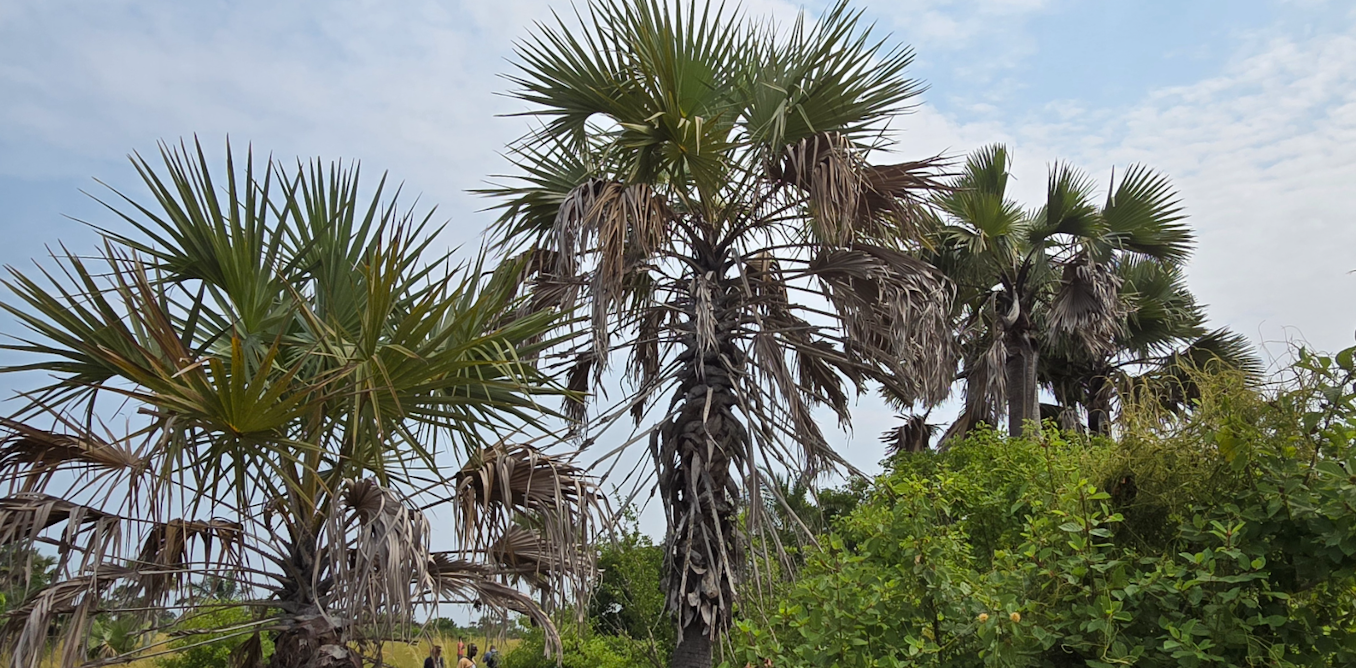
Palm trees across Africa are declining due to deforestation and overexploitation, threatening their ecological role and importance to livelihoods. In response, botanists from Benin, Côte d'Ivoire, and Switzerland launched the African Network of Palm Scientists. This initiative aims to research, protect, and conserve the continent's diverse palm species, focusing on sustainable use and training the next generation of experts.
Original Article: theconversation.com
[ Sentiment: positive | Tone: factual ]
This summary and analysis were generated by TheNewsPublisher's editorial AI. This content is for informational purposes only.
[ Sentiment: positive | Tone: factual ]
This summary and analysis were generated by TheNewsPublisher's editorial AI. This content is for informational purposes only.
TNP AI: Key Insights
Beyond their ecological role, palms are integral to African livelihoods, providing food, medicine, construction materials, and holding spiritual significance. The decline of these species directly threatens cultural practices and local economies, emphasizing the need for integrated conservation efforts.
African palm conservation faces unique challenges due to the slow regeneration rates of many species and a lack of comprehensive documentation for lesser-known varieties. The establishment of the African Network of Palm Scientists highlights an African-led solution to pool expertise, document traditional knowledge, and research sustainable harvesting and domestication methods.
The emphasis on 'domestication plans' and integrating palms into agroforestry reflects a broader trend in African sustainable development. This approach seeks to combine conservation with economic benefits, empowering local communities to be active participants in natural resource management while improving livelihoods.